Got your first period and not sure what to do? Here’s a step-by-step guide on what’s happening to your body, what period products you could use, and when to tell a parent or a doctor.
Don't panic
Starting your period is normal and a healthy part of life. It can feel exciting, confusing, embarrassing, or completely unexpected - all of those feelings are valid.
Tell a trusted adult
If navigating your first period alone is feeling a little overwhelming, tell a parent, trusted adult, older sibling, or school nurse. They can help you access products, answer questions and reassure you that everything is normal, no matter how daunting it may feel.
Grab some period supplies
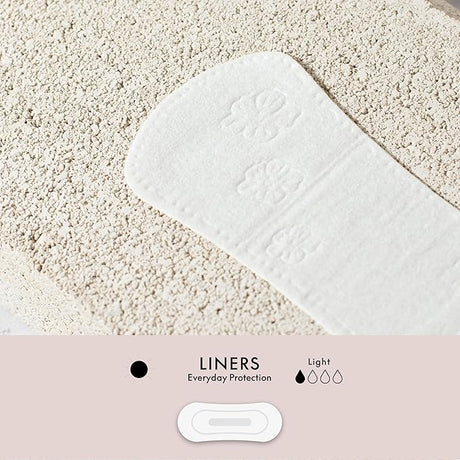
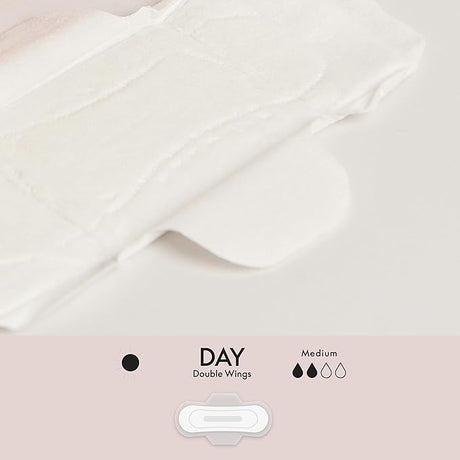
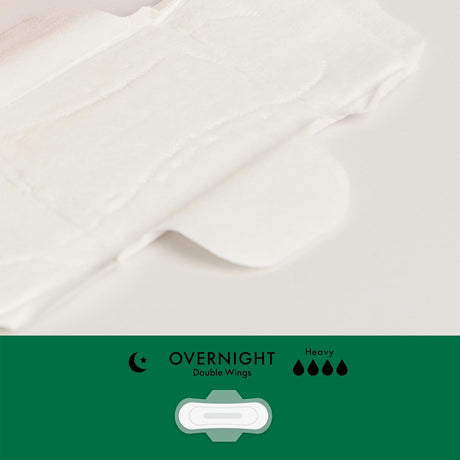
Choosing the right product for you can be confusing. There isn’t one ‘best’ period product, there’s only what works best for you and your body. Pads are the easiest option to begin with as they are worn inside your underwear and absorb blood as it leaves your body.
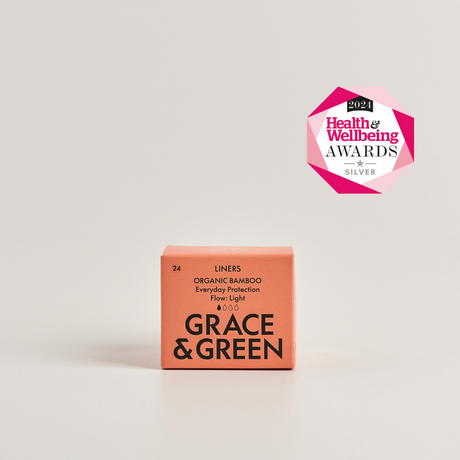
If you choose disposable pads, look for options made with organic materials like bamboo. Many conventional pads contain a high percentage of plastic, which isn’t great for the environment or your body.
Another great option is period pants. They look like regular underwear but have built-in absorbent layers, so they soak up blood without a pad. They are reusable which cuts down on single-use waste and means you’re never caught without protection, just wash and rewear.
If you’re not sure what product you would like to try, or if your a parent wanting to be prepared for their child’s first period, we have a first period kit, ideal for those first few periods. The kit includes organic bamboo pads in two absorbencies, bamboo liners, and a period booklet which takes you and your child through the basics of menstrual health in an easy to digest way. Plus, you can add on a pack of reusable period underwear, which may be easier to manage than products.
How to handle cramps and discomfort
Simple pain relief
Painkillers like ibuprofen or paracetamol can help. A warm bath, hot water bottle on the belly, or gentle movement can also ease cramps.
Rest and be kind to yourself
You might feel emotional, irritable, tired, or more sensitive than usual. Hormones don’t just affect your uterus, they affect your brain and energy levels too. It’s common to feel mood changes, low energy or tearful around your period.
Your body is doing something new. It's okay to take it easy, nap, or skip plans, if you're not feeling it.
What's normal and what's not
Normal first period signs
When you get your first period, things might feel unpredictable and that's completely normal. Your body is still learning how to regulate its hormones, which can take time.
Before your first period you may notice some cramping, mood changes, and bloating. During your first period these symptoms can continue alongside light bleeding (usually bright red or brownish in colour), typically lasting 2-7 days. The flow of your period blood is often light to begin with, sometimes just spotting. It can also contain small blood clots. This is all perfectly normal.
It's also normal for your next period to not show up for several weeks or even months, irregular cycles are common in the first year or two as your body finds its rhythm.
When to tell a doctor or trusted adult
Most periods are completely healthy and settle into a pattern over time and a level of discomfort is to be expected. However, there are times when it’s important to speak to a trusted adult, coach, parent, guardian, school nurse or doctor.
-
Heavy bleeding (e.g. soaking through a pad every hour)
-
Clots bigger than a 10p coin
-
Severe pain that stops you from doing normal activities
-
Periods that come more often than every 21 days or less than every 45 days
-
If you haven’t started your period by age 15
A few practical tips
-
Track your cycle with a simple app or calendar
-
Keep a spare pad in your bag in case of emergencies
-
Change your pad every 4-6 hours
Your first period is a normal part of growing up. You don't need to have everything figured out right away. Having the right supplies, a trusted adult to talk to, and knowing what's normal makes it a lot easier.