If you've ever wondered whether it's okay to flush a tampon down the toilet, you're not alone. It's one of the most common questions people ask about period products, and unfortunately, one of the most common causes of blocked pipes too.
Even if packaging or old myths suggest otherwise, flushing tampons can cause plumbing problems, contribute to sewer blockages, and harm the environment. Here's everything you need to know about disposing of tampons properly, plus some more sustainable alternatives to consider.
Why Can't You Flush Tampons?
Tampons are designed to absorb liquid and expand. That's exactly what makes them effective during your period, but it's also why they shouldn't go down the toilet.
Unlike toilet paper, tampons do not break down in water. Instead, they stay intact, continue absorbing moisture, and can become lodged in pipes or combine with other waste to create stubborn blockages.
Many plumbers report that flushed period products are among the most common causes of household drain problems. An article in The Spruce says that "It's definitely gonna harm your wallet before your plumbing, because you're going to constantly get stoppages". Not only is flushing your tampons harmful for the environment, it's also an expensive habit to have.
What Happens When You Flush a Tampon?
They Can Block Your Plumbing
A single tampon can become trapped in bends within your home's plumbing. Over time, more debris can collect around it, leading to slow drains or complete blockages that may require costly repairs.
They Can Cause Sewer Blockages
Once tampons leave your home, they don't simply disappear. In sewer systems, they combine with wet wipes, cooking fats, oils and other non-flushable items to create large blockages often known as “fatbergs".
These blockages can damage waste water systems and lead to sewage overflows.
Are Tampons Biodegradable?
While organic tampons are made with sustainable materials like cotton, many may contain materials, applicators or components that are not designed to biodegrade quickly inside sewer systems.
Being made from natural materials does not automatically make a product flushable.
What's the Correct Way to Dispose of a Tampon?
The best way to dispose of a used tampon is simple:
-
Remove the tampon.
-
Wrap it in toilet tissue or use the wrapper from your next tampon.
-
Place it in a bathroom waste bin.
-
Empty the bin regularly.
Many public toilets now provide bins specifically for period products.
If you're unable to access a waste bin, it's still best to wrap and bin your tampon rather than flushing it.
Can You Flush Organic Cotton Tampons?
No. Organic cotton is a fantastic choice for reducing unnecessary waste, chemical exposure to your body and supporting more sustainable choices, but it doesn't change how a tampon behaves once it's inside plumbing or sewer systems.
Choosing organic products is great, but disposing of them correctly is equally important.
What Period Products Are Better for the Environment?
No disposable menstrual product should be flushed.
If you're looking to reduce your environmental impact, you could consider:
Organic Cotton Tampons
Our tampons are made with organic cotton and free from unnecessary fragrances and chlorine bleach.
Organic bamboo Pads
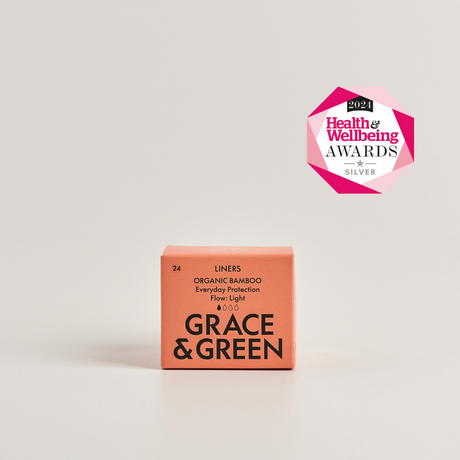
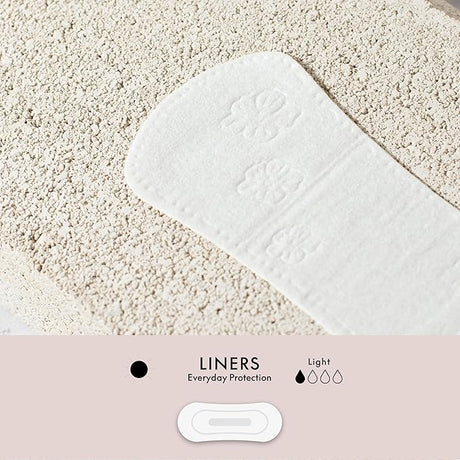
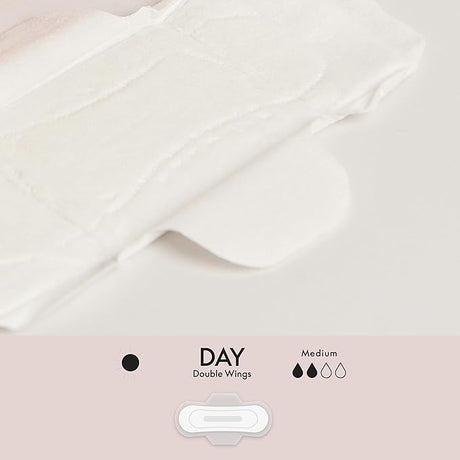
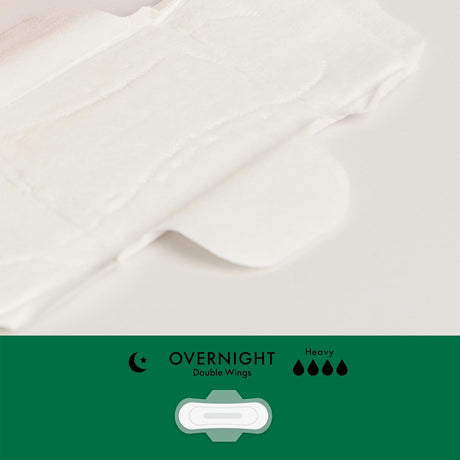
Our pads are comfortable, breathable and consciously crafted with organic bamboo.
Reusable Period Products
Depending on your lifestyle, reusable period underwear or menstrual cups may also help reduce waste over time.
The best choice is always the one that suits your body, comfort and routine.
Choosing the right period product is important, but disposing of it responsibly is just as important. By putting used tampons in the waste bin instead of flushing them, you're helping to protect your home's plumbing, reduce pressure on wastewater systems, and minimise environmental pollution. Small changes in our everyday habits can make a big difference, for your home and for the planet.