Bringing a baby into the world is an incredible achievement, but the changes don't stop once labour is over. Whether you've had a vaginal birth or a caesarean section, postpartum healing is different for everyone. Some changes last a few days, while others can continue for months.
Understanding what's normal can help you feel more prepared, supported, and confident during recovery.
What to expect immediately after birth
You can expect:
-
Heavy vaginal bleeding (known as lochia)
-
Cramping as your uterus contracts back down
-
Swelling and soreness around the vagina or C-section incision
-
Hormonal changes that can make you feel emotional, tired or overwhelmed
-
Breast changes as your milk starts to come in
If you've had stitches or a caesarean birth, you may also experience discomfort while moving around. Rest, hydration and pain relief, recommended by your healthcare provider, can all help.
Week 1 - Your Body Begins to Heal
The first week is often the most physically demanding. Jocelyn Brown, a midwife, noted that “the birth buzz is wearing off, estrogen and progesterone levels are dropping off, and prolactin and oxytocin levels rise and fall throughout the day while the baby suckles”. It's important to give yourself some grace whilst you start to recover and work out your new routines.
Postpartum bleeding (Lochia)
After birth, your body sheds the lining of the uterus. This bleeding is called lochia and is completely normal.
It typically changes over time:
-
Days 1-4: Bright red and fairly heavy
-
Days 5-10: Pink or brown
-
Weeks 2-6: Yellow or creamy-white discharge
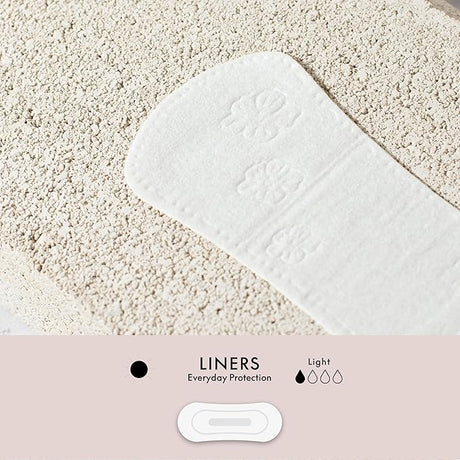
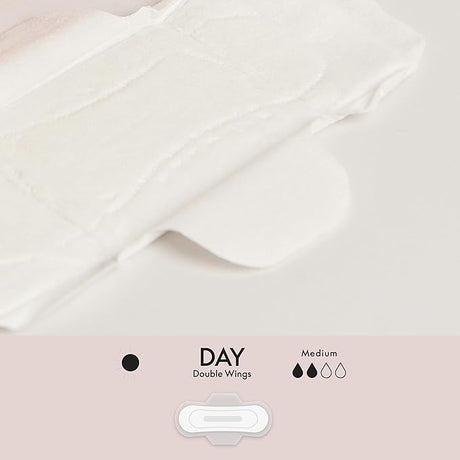
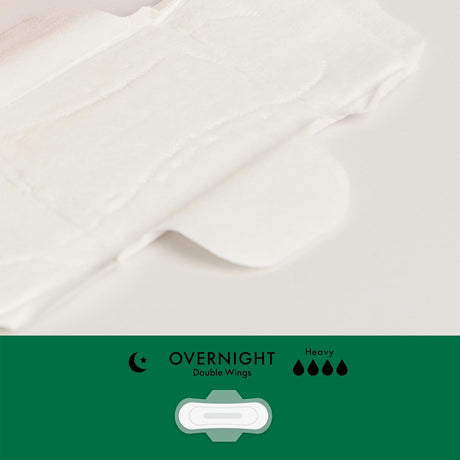
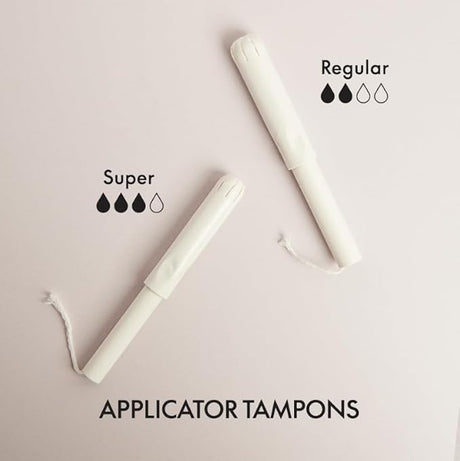
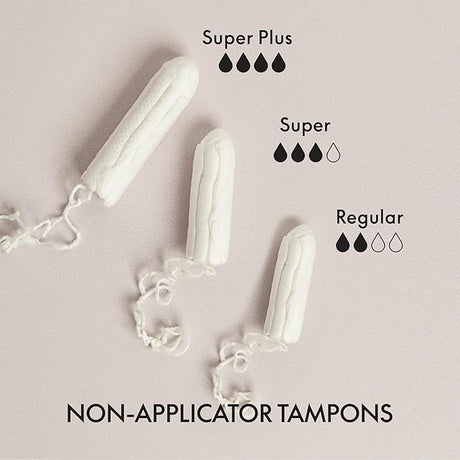
During postpartum bleeding, it's recommended to use pads rather than tampons or menstrual cups, as internal period products can increase the risk of infection while your body heals. Our range of organic bamboo pads offer soft, breathable protection for every stage of your postpartum flow.
Uterine cramps
Often called ‘afterpains’, these cramps are your uterus shrinking back to its usual size. They can feel stronger during breastfeeding because the hormone, oxytocin, triggers uterine contractions.
Pelvic floor health
Pregnancy and childbirth put significant strain on the pelvic floor muscles. It's common to notice:
-
A feeling of heaviness
-
Difficulty controlling your bladder
-
Leaking when coughing, sneezing or laughing
Gentle pelvic floor exercises can usually begin soon after birth, unless advised otherwise by your healthcare professional. Our bamboo bladder protection pads are consciously crafted to absorb any leaks the fourth trimester brings.
Weeks 2 to 6 – Recovery Continues
As your body heals, you may notice gradual improvements, although recovery is different for everyone
Hormonal changes after birth
After the placenta is delivered, pregnancy hormones can drop rapidly. This can cause:
-
Mood swings
-
Night sweats
-
Hair shedding
-
Dry skin
-
Fatigue
If feelings of sadness, anxiety or hopelessness last longer than two weeks or become overwhelming, it's important to seek support from your GP, midwife or health visitor.
Breast changes
Whether you're breastfeeding or not, your breasts will change.
If breastfeeding, you may experience:
-
Engorgement - this is when your breasts become overly full. They may feel hard, tight and painful.
-
Leaking milk
-
Tender nipples
Our organic bamboo reusable breast pads are designed for delicate skin, and offer superior protection you can rely on again and again.
Constipation and bowel changes
Many new parents feel nervous about their first bowel movement after birth, especially if they've had stitches.
Constipation is common due to:
-
Hormonal changes
-
Pain medication
-
Dehydration
-
Reduced movement
Drinking plenty of water, eating fibre-rich foods and moving gently can help.
Weeks 6 to 12 - Regaining Strength
By six weeks, many people start feeling physically stronger, but healing is still happening beneath the surface.
Returning to normal activities
At this stage you may:
-
Return to gentle exercise (if cleared by your healthcare provider)
-
Continue rebuilding pelvic floor strength
-
Notice your bleeding has stopped
-
Begin to feel more energetic
If you had a caesarean section, abdominal healing can take several months. It is important not to rush recovery and follow advice you have been given by your medical professional.
When Will Your First Period Return?
If you're breastfeeding
If you're exclusively breastfeeding, it may take several months, or even longer, before your periods return.
If you're not breastfeeding
If you're not breastfeeding, your period may return between six and twelve weeks after birth.
Your first few periods may be heavier, lighter or more irregular than you were used to before pregnancy.
Recovery isn't about "bouncing back" it's about giving your body the time and care it deserves after doing something extraordinary. Be kind to yourself, celebrate the small milestones, and don't hesitate to ask for support whenever you need it. Remember, there is no "normal" timeline for recovery, only the one that's right for you.
Explore our range of organic postpartum essentials, thoughtfully designed to provide day and night comfort throughout the fourth trimester, and beyond.