Periods are a natural part of life, but the products we choose can have a big impact on our bodies, wallets, and the planet. Sustainable period products are designed to minimise environmental harm, reduce waste, and promote better health with eco-friendly materials. Whether you prefer menstrual cups, bamboo pads, or organic cotton tampons, choosing a sustainable option can make a meaningful difference. This guide explores every aspect of conscious menstrual care so you can make informed, empowered decisions.
Why sustainability matters in menstrual care
Conventional period care often relies on disposable pads and tampons made from synthetic fibres, plastics, and non-biodegradable packaging. A 2024 World Health Organisation report found that in Europe and the USA, over 80% of menstrual products end up in landfills, where plastic-filled disposable pads could take up to 800 years to break down. With conventional period products being 90% plastic-filled *, choosing eco-friendly period products such as reusable menstrual cups or bamboo pads helps cut down on waste and reduce your personal carbon footprint. Beyond the environmental benefits, sustainable menstrual products can also be better for your health as they avoid chlorine bleach, fragrances, and pesticides often found in conventional items.
Organic cotton tampons: A closer look
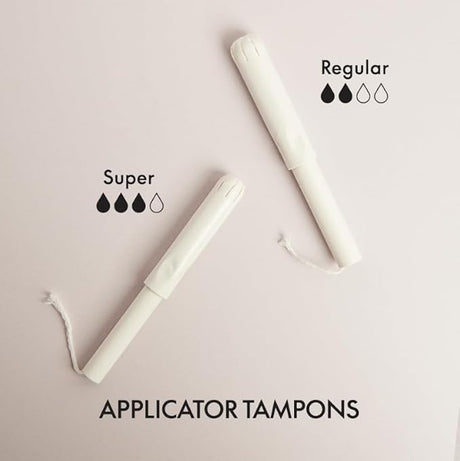
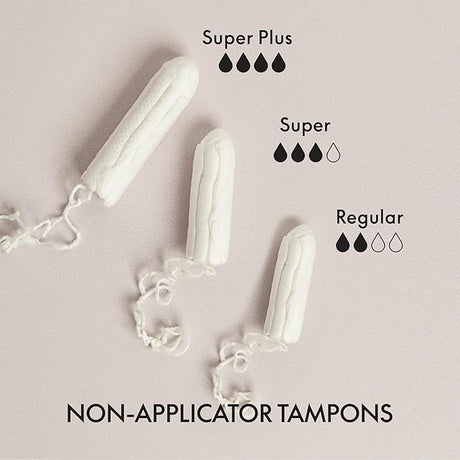
Our organic cotton tampons are made from certified organic cotton, grown without pesticides or synthetic fertilisers. They are free from fragrances, chlorine bleaches and synthetic dyes. Organic cotton is softer, made with biodegradable materials wherever possible and better for sensitive skin. Compared to synthetic alternatives, these tampons are less likely to cause irritation and are fully compostable under the right conditions.
Our tampons have a 100% cotton veil, meaning that you won’t experience any irritation from the ‘tampon fluff’ non-organic tampons often produce. Plus, our applicator tampons include an applicator made from biodegradable cardboard. Better for your body and our planet - a no brainer, right?
Conventional vs. organic tampons
Conventional tampons are often treated with chemicals. In contrast, organic tampons entirely avoid synthetic additives, lowering both environmental impact and potential exposure to toxins.
Exploring bamboo and organic pads
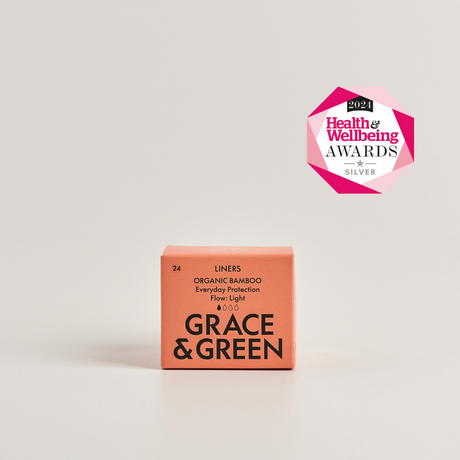
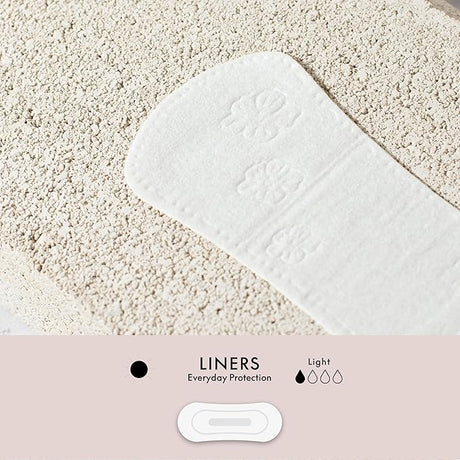
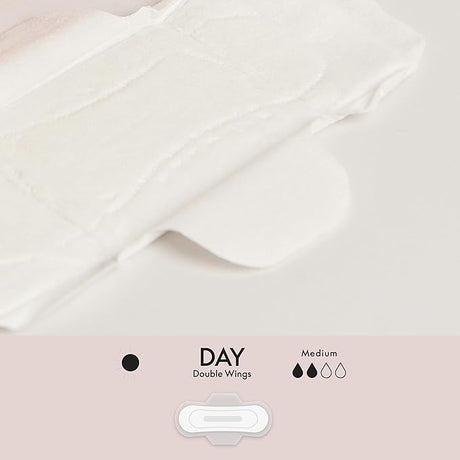
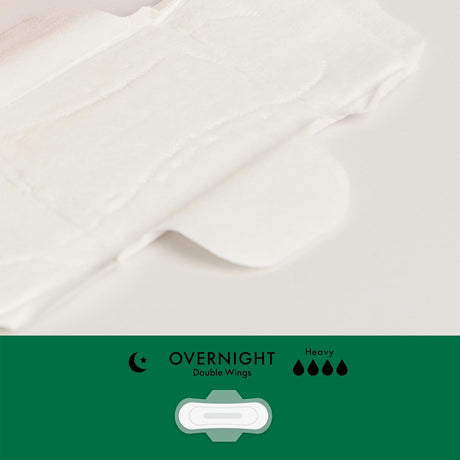
Our bamboo pads combine the luxury of soft and breathable bamboo with ultimate absorbency.
Bamboo has natural anti-bacterial properties, is breathable, and requires less water to grow compared to other materials. Just like our organic tampons, our bamboo pads are fragrance free, free from chlorine bleaches and synthetic dyes, providing a sustainable alternative to conventional pads.
Materials and processes used in bamboo pads
Our bamboo pads are:
-
Consciously crafted with Oeko-Tex organic bamboo
-
Wrapped in a biodegradable plant starch wrapper certified by TÜV Austria
-
Our bamboo pulp is FSC-certified, ensuring sustainable harvesting.
-
We use a closed-loop bamboo process to ensure no toxic chemicals enter our environment when we manufacture.
Period underwear: Combining comfort and sustainability
Our period pants replace the need for disposable pads or tampons entirely, from light to heavy flows. They’re made with bamboo for ultimate comfort and absorbency, all washable and reusable for 2 years, all you need to do is put them on and you’re covered cycle after cycle.
Types of Grace & Green period pants:
Our styles include:
-
High waisted briefs
-
Boxer-style shorts
-
Each style comes in a pack of 3 from sizes 2XS-4XL
Menstrual cups: A reusable revolution
Our menstrual cups are made from BPA-free medical grade silicone. They collect, rather than absorb, menstrual blood and can be reused for up to 10 years with proper care. They are plastic-free and replace the need for disposable products.
Cleaning methods for menstrual cups
-
Regular cleaning: If you can, rinse with cold water when emptying your cup before re-insertion.
-
Cycle-end sterilisation: Boil for 5–7 minutes or use cup sterilisers - try a sterilising pod to clean your cup if you do not have access to a hob, or just prefer some more privacy.
Storage: Make sure your cup is completely dry before storing in a breathable container to prevent bacteria growth.
Choosing the right sustainable product for you
Each period is as unique as the person experiencing it, so everyone will prefer different products. Your choice depends on flow, lifestyle, comfort preferences, and budget. For heavy flows, menstrual cups or period underwear with high absorbency may be best. If you prefer familiar options, organic cotton tampons or bamboo period pads can be a good entry point.
Zero waste period solutions: Myth or reality?
Creating completely zero waste products of any description is challenging due to packaging and manufacturing impacts. However, reusable products like menstrual cups and period pants dramatically reduce waste compared to disposables.
Are sustainable products affordable?
While the upfront cost of menstrual cups or period underwear is higher, they last years, making them cheaper in the long run. We estimate that our period pants replace 420 pads over their 2 year lifespan, this would cost a lot more in the long run than the upfront cost of our pants.
Our disposable period products are only made with the highest quality materials so you can be confident about what you are putting into your body. We invest in sustainability and social impact initiatives which drive change across the globe. As a result, this makes our products slightly more expensive than mainstream brands who profit from mass production with cheap materials. We believe in the products we create.
Maintaining reusable products: Tips and best practices:
-
Follow washing and drying instructions
-
Avoid fabric softeners (can affect absorbency)
-
Always air dry
-
Store in a clean, dry place
-
Replace when signs of wear appear or when the life-cycle is up
Accessibility and inclusivity in sustainable period care
Sustainable period care should be available to all, regardless of income. Our Period Dignity scheme does just that. We are on a mission to provide safe, sustainable period products to all who bleed - in workplaces, on campuses, in public spaces.
Addressing period pain beyond product choice
While product choice doesn’t directly stop cramps, sustainable products avoid chemicals that may cause irritation. Pairing sustainable care with your usual method of pain management (heat therapy, painkillers, gentle exercise if possible) can improve comfort.
H2. What to look for in sustainable period products
Key factors include:
-
Relevant certifications (GOTS for organic cotton, FSC for bamboo)
-
Transparent sourcing and manufacturing
-
Minimal, recyclable packaging
-
Commitment to ethical labour and manufacturing practices
At Grace & Green, we tick this entire list.
Grace & Green’s commitment to sustainability
We prioritise organic materials, eco-conscious packaging and ethical sourcing. Beyond our products, we actively engage in social impact initiatives, donating products to those who need them most and working with organisations across the country with our Period Dignity scheme. Our aim isn’t just to provide period products, though this is very important, we want to break period stigma through open conversation and much needed education.
Debunking common myths about reusable period products
-
Myth: They’re unhygienic
-
Fact: Proper cleaning, as by the instructions, maintains their safety and effectiveness.
-
Myth: They’re too expensive
-
Fact: Often, they have a higher upfront cost but they save money over time
-
Myth: They’re inconvenient
-
Fact: Of course, new products have a teething period. Once used to them, many find them easier than disposables
Empowering choices: Taking control of your period care
Switching to sustainable menstrual products is a personal decision with global impact. By choosing eco-friendly, reusable, or organic options, you support your health, often save money, and help protect the planet for future generations.
*Mirzaie et al, 2025