Premenstrual Dysphoric Disorder (PMDD) is more than just “bad PMS.” It’s a severe, often misunderstood condition that can significantly impact daily life, relationships, and mental wellbeing. If you’ve ever felt like your premenstrual symptoms go far beyond typical discomfort, you’re not alone, and support is available.
What is PMDD?
PMDD (Premenstrual Dysphoric Disorder) is commonly known a severe form of premenstrual syndrome (PMS) that affects around 3–8% of people who menstruate. It’s recognised as a medical condition and is closely linked to hormonal changes during the menstrual cycle, specifically the luteal phase (the time between ovulation and your period).
Unlike PMS, PMDD is characterised by intense emotional and psychological symptoms that can interfere with work, relationships, and everyday functioning.
PMDD vs PMS: What’s the difference?
While PMS might cause bloating, mild mood swings, or fatigue, PMDD symptoms are much more severe and can include:
-
Debilitating anxiety or panic attacks
-
Severe depression or feelings of hopelessness
-
Intense irritability or anger
-
Difficulty concentrating
-
Sudden mood swings
The key difference is impact, PMDD symptoms can feel overwhelming and may disrupt your ability to live your normal life.
What causes PMDD?
The exact cause of PMDD isn’t fully understood, but research suggests it’s not simply a hormone imbalance. Instead, it’s believed that people with PMDD are more sensitive to normal hormonal fluctuations, particularly changes in oestrogen and progesterone.
These hormonal shifts can affect brain chemicals like serotonin, which plays a key role in mood regulation. This sensitivity is what may trigger the intense emotional and physical symptoms associated with PMDD.
Common symptoms of PMDD
PMDD symptoms usually appear 1–2 weeks before your period and improve shortly after menstruation begins.
Emotional & psychological symptoms
-
Severe mood swings
-
Depression or low mood
-
Anxiety or tension
-
Irritability or anger
-
Feeling overwhelmed or out of control
-
Loss of interest in daily activities
Physical symptoms
-
Fatigue or low energy
-
Sleep disturbances (insomnia or oversleeping)
-
Breast tenderness
-
Bloating
-
Headaches
-
Joint or muscle pain
Behavioural symptoms
-
Difficulty concentrating
-
Changes in appetite or cravings
-
Withdrawal from social situations
-
Reduced productivity
If these symptoms feel cyclical and significantly affect your quality of life, it may be worth speaking to a healthcare professional.
How is PMDD diagnosed?
PMDD is typically diagnosed through symptom tracking rather than a single test. A doctor may ask you to record your symptoms over at least two menstrual cycles to identify patterns.
Tracking helps distinguish PMDD from other conditions such as depression or anxiety disorders, ensuring you receive the right support and treatment.
PMDD symptom management: What actually helps?
Managing PMDD often involves a combination of lifestyle changes, emotional support, and medical treatment. What works can vary from person to person, so it’s about finding the right balance for you.
1. Track your cycle & symptoms
Understanding your cycle is one of the most powerful tools for managing PMDD.
-
Use a journal or app to log symptoms daily
-
Identify patterns in mood, energy, and physical symptoms
-
Plan demanding tasks around your “better” days
This awareness can help you feel more prepared and less blindsided by symptoms.
2. Prioritise nutrition & blood sugar balance
What you eat can influence how you feel, especially during the luteal phase.
Helpful habits include:
-
Eating regular, balanced meals
-
Reducing caffeine and alcohol
-
Including complex carbs, healthy fats, and protein
-
Staying hydrated
Some people also find some relief by increasing magnesium, calcium, or vitamin B6 intake (with guidance from a professional).
3. Gentle movement & exercise
Exercise can help regulate mood and reduce stress, but with PMDD, it’s important to listen to your body.
-
Try low-impact activities like walking, yoga, or stretching
-
Avoid overexertion during low-energy days
-
Focus on consistency over intensity
Movement should support you - not drain you.
4. Support your mental health
Because PMDD heavily affects emotional wellbeing, mental health support is key.
-
Cognitive Behavioural Therapy (CBT) can help manage negative thought patterns
-
Mindfulness or meditation can reduce anxiety
-
Talking to a professional therapist or support group can provide validation and coping tools. For more information, visit Mind UK’s page on PMDD treatment
You don’t have to navigate this alone.
5. Improve sleep routines
Sleep disturbances are common with PMDD, and poor sleep can worsen symptoms.
-
Stick to a consistent bedtime routine
-
Limit screen time before bed
-
Create a calming sleep environment
-
Avoid caffeine late in the day
Better sleep can make a noticeable difference in mood and resilience. Whilst lack of sleep can be an unavoidable symptom, these tips can help to create a calm, soothing environment instead.
6. Medical treatment options
If lifestyle changes aren’t enough, medical treatments can be highly effective.
Common options may include:
-
SSRIs (antidepressants), often taken only during the luteal phase
-
Hormonal contraceptives to regulate cycles
-
In some cases, hormone therapy
Always consult a healthcare professional to explore what’s right for you.
Everyday tips for living with PMDD
Beyond formal treatments, small adjustments can help you manage day-to-day life more comfortably:
-
Be kind to yourself - this is a real condition, not a personal failing
-
Communicate with loved ones about what you’re experiencing
-
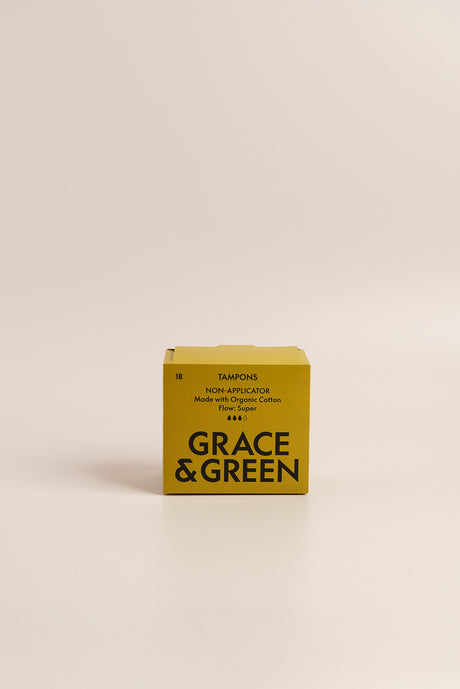
Build a “PMDD toolkit” (comfort items, coping strategies, supportive routines, organic period products)
-
Set boundaries during difficult phases of your cycle
When to seek help
If you’re experiencing severe mood changes, persistent depression, or thoughts of self-harm, it’s important to seek help from a medical professional as soon as possible.
PMDD is treatable, and support from healthcare professionals can make a significant difference.
Finally ...
PMDD can feel overwhelming, but understanding your cycle and recognising your symptoms is a powerful first step. With the right support, tools, and treatment plan, it’s possible to manage PMDD and reclaim a sense of balance in your life.
If you suspect you may have PMDD, consider tracking your symptoms and speaking to a healthcare provider. You deserve to feel heard, supported, and well.