Imagine waking up on a Monday morning with gut wrenching abdominal cramps, crippling back ache, a thumping head and intermittent nausea. You’d phone in sick, right? You must have some sort of nasty virus. Definitely cause for a sick day.
Except of course, if you’re a person who menstruates. In which case, you may well face all of these symptoms on a monthly basis – and more. For a large number of people who get periods, cramps are just the start, with conditions such as polycystic ovary syndrome (PCOS) and endometriosis causing even more extreme symptoms.
Dealing with this at work can be difficult to navigate, sometimes cramps can be so severe that it feels impossible to even sit up and for those of us at desks, sitting up is usually pretty essential. Here are our top tips for managing your period in the workplace.
So can you take time off work for period pain and other reproductive health conditions?
The ongoing campaign for menstrual leave
Menstrual leave is something reproductive rights campaigners have been championing for a long time. It would give people who have periods time off each month to manage their symptoms.
And it’s actually not a new idea. Japan brought in seirikyuuka (menstrual leave) decades ago as part of the 1947 Labor Standards Law. They were soon followed by South Korea, who brought in their menstrual leave policy in 1953. More recently, in May 2022, the Spanish government announced their intention to bring this policy to law, the first country in Europe to do so.
Sadly in the UK, we’re a long way from any laws being passed to make this official policy. But that doesn’t mean that individual employers can’t decide to bring in their own menstrual leave policy as a way of looking after their staff who have periods.
With more and more people choosing to work with companies that prioritise values and culture, it’s a smart way of attracting talent, especially in a tough employment market.
We’ve really got to talk about periods
The problem is that periods are still taboo in the workplace, and even in wider society. Think about it – how many times do you actually hear people say the word ‘period’? Even period products are often referred to as feminine hygiene products, despite the fact that menstruating isn’t unhygienic.
By opening up the conversation around periods in the workplace, employers will better understand the needs of their employees. By meeting these needs, they can improve employee wellbeing, increase productivity and engagement, and reduce the likelihood of people leaving.
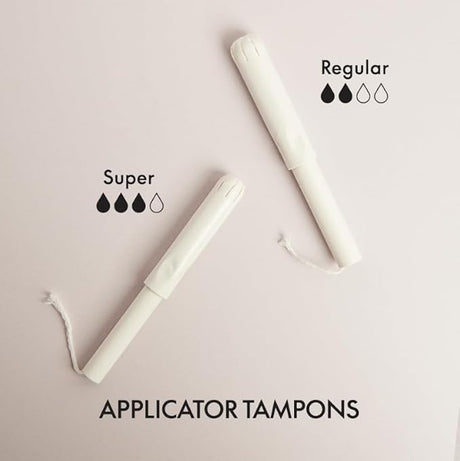
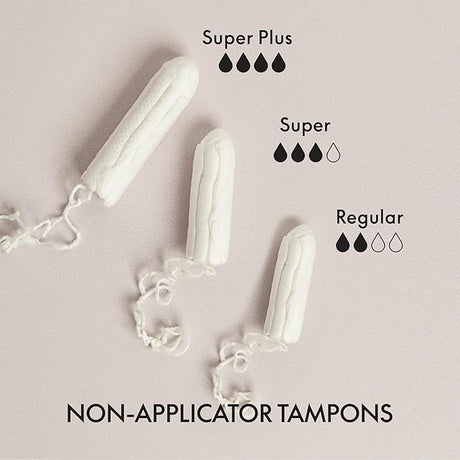
Even if menstrual leave isn’t an option there are so many things an employer can do to support people who have periods. This includes everything from offering flexible working policies to providing free period products in office bathrooms – much as we already provide toilet paper and soap, rather than expecting people to bring their own.
It’s all about access to the right information
Of course, part of the process of having open and honest conversations is education. And not just women arming themselves with the facts they need to fight their own cause. Leaders and managers should proactively take steps to ensure they understand the problems that may well be facing a high proportion of their staff.
Here’s an overview of three of the most common period related conditions.
Endometriosis
Endometriosis affects around 1.5 million people in the UK and as many as 10% of assigned female at birth (AFAB) individuals around the world.
Symptoms can include chronic period pain, back pain, intestinal pain, bleeding or spotting between periods, and digestive problems. As a result, people with the condition can feel extremely fatigued, depressed and isolated.
Premenstrual dysmorphic disorder (PMDD)
PMDD is a hormone-based mood disorder that affects around 5-8% of AFAB individuals of reproductive age. It can cause extreme symptoms before someone’s period every month.
Symptoms can include self-doubt, paranoia, fatigue, tearfulness, trouble concentrating, heightened sensitivity and emotional outbursts, particularly during the premenstrual phase. Many respond by over-compensating – working longer hours and setting unrealistic targets, causing increased work-related stress.
Polycystic ovary syndrome (PCOS)
Polycystic ovary syndrome is an endocrine disorder that’s thought to affect between 4% and 26% of people who ovulate worldwide, with 10% of women in the UK affected.
Symptoms of PCOS include irregular periods, fertility problems, excessive hair growth, weight gain and acne. Having PCOS can also increase your chances of developing other health problems later in life, such as diabetes, high blood pressure and high cholesterol.
How to support employees with reproductive health conditions
It’s no secret that if employers look after their staff, they’ll get the best out of them. Having awareness and support mechanisms in place for people with menstrual conditions can make them feel more valued, leading to increased productivity when they’re at work.
Offering a flexible working policy as part of a wider inclusion and diversity strategy can be incredibly beneficial. Someone with a menstrual condition may need to attend various doctor’s appointments, and should be encouraged to find a schedule that works for them that still allows them to get their work done. A considerate and compassionate work culture is also crucial.
As well as putting conversations around menstrual leave on the agenda, it’s important that employers make period provisions a priority. Stocking your workplace bathrooms with period products helps not only those who require them, but also contributes to normalising the conversation around periods so that, if and when menstrual leave is finally a reality, employees will feel comfortable enough to take it.
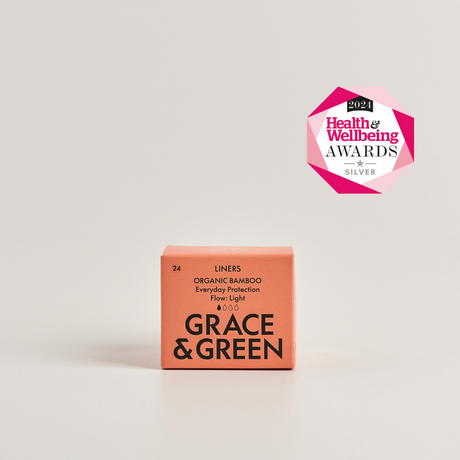
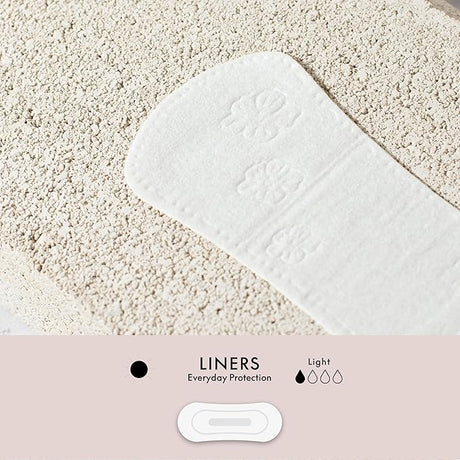
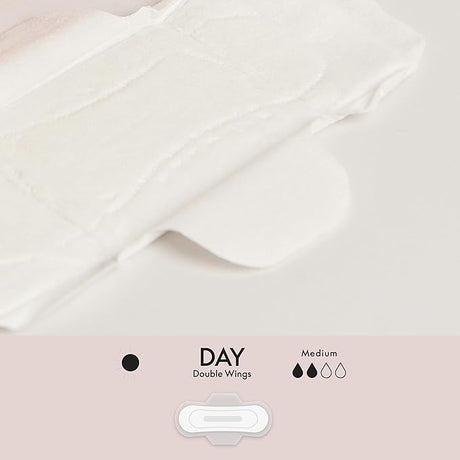
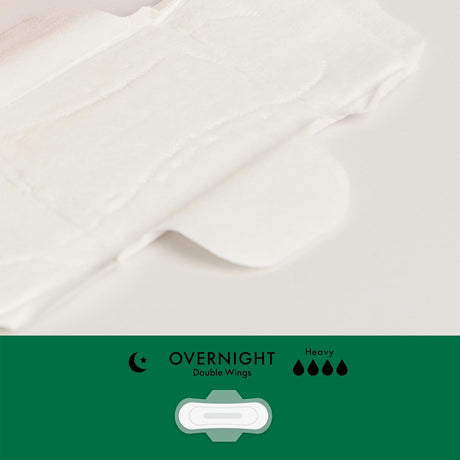
At Grace & Green, via our Period Dignity project, we provide exceptional, organic, biodegradable period products to businesses wanting to support their employees as part of the menstrual movement. Chat to us today to get started.